Pain and bruising: the overlooked signs of lipedema

Lipedema is a chronic disorder of fatty tissue that causes a symmetrical and disproportionate increase in the size of the legs and, in some cases, the arms.
It often comes with pain, heaviness and frequent bruising. Despite these characteristic symptoms, it remains widely underdiagnosed – largely because it is mistaken for excess weight, obesity or circulatory problems.
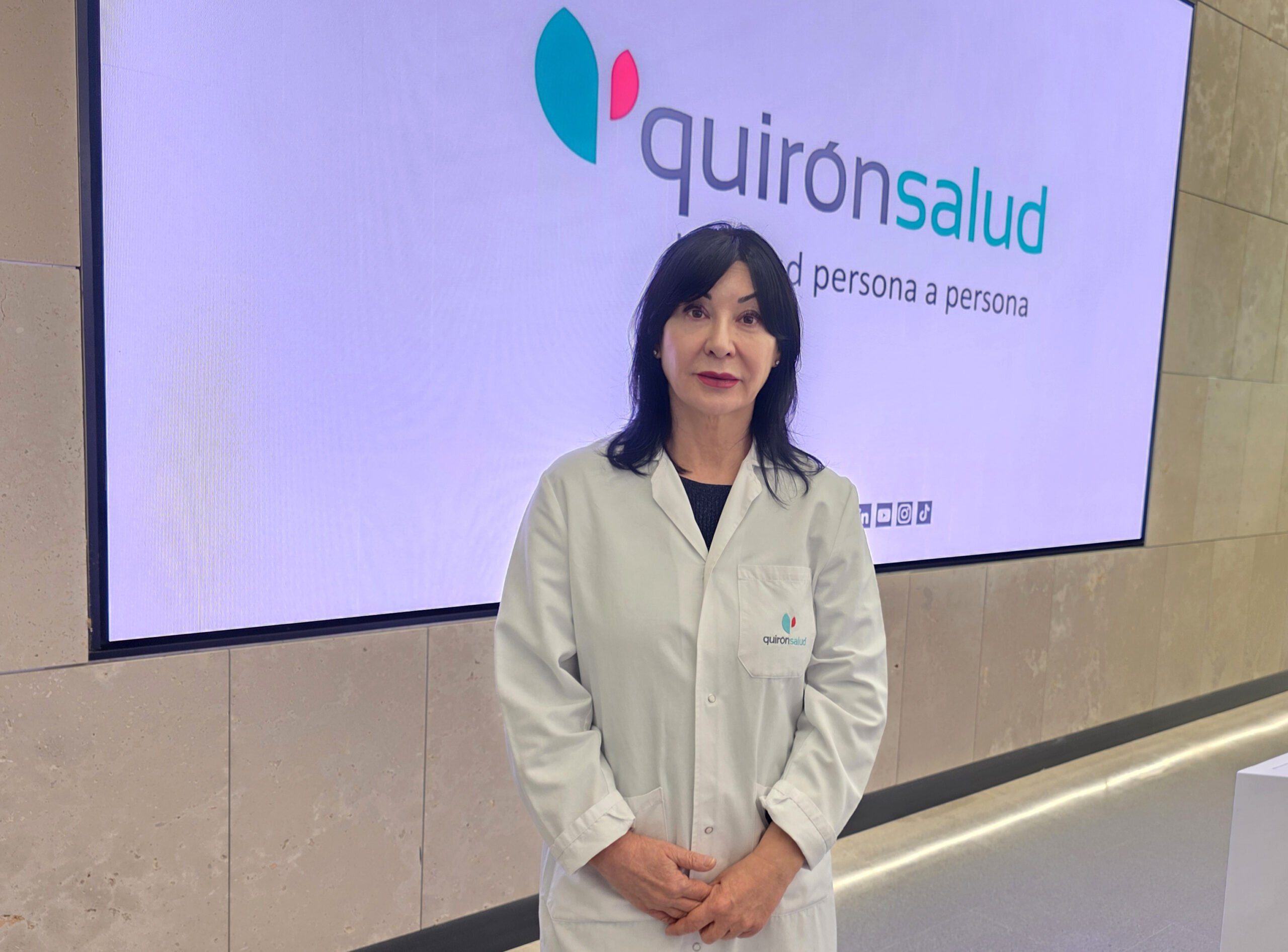
“The key is recognising its specific clinical signs: pain on touch, hypersensitivity and a constant feeling of heaviness”, says Dr Lourdes Yagues, head of the new Lipedema Surgery Unit at Quirónsalud Marbella and Quirónsalud Málaga.
A disease with its own criteria
Dr Yagues notes that according to the German S2k guideline, a reference in diagnosis, “there must be symptoms such as pain, heaviness or hypersensitivity, not just increased volume”.
The typical pattern includes legs and arms wider than the trunk, symmetrical distribution, a tendency to bruise and poor response to dieting. “Patients may lose weight in the face or torso, but their legs change very little”, she says.
Early diagnosis improves quality of life
Putting a name to what is happening is a crucial first step for many women. Early diagnosis allows conservative measures such as compression, adapted exercise, physiotherapy and pain management – all of which help reduce symptoms and improve mobility.
It also helps identify factors that can worsen the condition, such as inactivity or excess weight, and to assess whether surgery could provide further benefit. “Lipedema does not have to worsen inexorably. It depends on risk-factor management and the care the patient receives”, says Dr Yagues.
Lipedema-specific surgery: safety and functional improvement
The most common intervention is a specialised liposuction, designed not as a cosmetic procedure but to reduce pain, improve mobility and enhance quality of life.
“Surgery is considered when pain and movement limitations persist despite conservative treatment,” explains Yagues. It is carried out in a hospital environment using techniques that protect the lymphatic system and strict safety protocols covering fluid control, thrombosis prevention and pain management.
Studies show significant improvements after surgery: less pain when walking or touching the legs, a feeling of lightness, better posture and greater ease in day-to-day activities. Even so, full results take months to settle, and ongoing self-care remains essential.
A multidisciplinary approach to a complex condition
Quirónsalud Marbella has launched a dedicated unit to support patients with an integrated approach. Specialists in plastic surgery, physiotherapy and lymphology, nutrition, psychology, angiology and internal medicine all work together.
“Coordination is essential. It’s not just about operating, but about guiding patients through preparation, recovery and long-term follow-up”, says Dr Yagues.
A key message for patients
The specialist stresses that persistent symptoms such as pain, frequent bruising, disproportionate limb volume and poor response to dieting warrant medical evaluation. “The sooner lipedema is identified, the sooner the right treatment can begin – and the sooner quality of life can improve.”
For more information, please visit https://www.quironsalud.com/marbella or call
+34 952 774 200
Click here to read more Health News from The Olive Press.