Hard-hitting report says climate change has created 141 related risks to Spain- 51 of which are described as ‘key’

SPAIN is confronting 141 climate-related risks that threaten public health, economy, and biodiversity, according to a government report published on Tuesday.
The Assessment of Risks and Impacts of Climate Change in Spain (ERICC-2025), was commissioned by the Ministry for Ecological Transition.
It pointed out 51 key risks due to their severity or imminence, and 17 with low reversibility, meaning they could cause permanent damage without swift action.
READ MORE:

The Ecological Transition Minister, Sara Aagesen, said that ‘the most extreme climate scenarios are already materializing’ as she referenced longer and more intense heatwaves, severe droughts, torrential rains, and an expanding arid climate.
Among the 17 irreversible threats are the loss of biodiversity, degradation of ecosystems and soils, salinization of coastal aquifers, erosion-driven land loss, and rising sea levels.
The report also projects a 2 to 3C temperature rise by mid-century and up to 6C by 2100, which could dramatically narrow any adaptation options.
ERICC-2025 noted that these hazards are interconnected, mapping more than 1,700 interrelationships among risks that could amplify each other if left unaddressed.
The report highlighted that arid climates already cover over 20% of Spain’s land and are projected to expand into new regions, directly threatening water resources, soils, and biodiversity.
It also warned that sea levels could rise around 50 to 60 centimetres by 2100, posing serious risks to coastal areas.
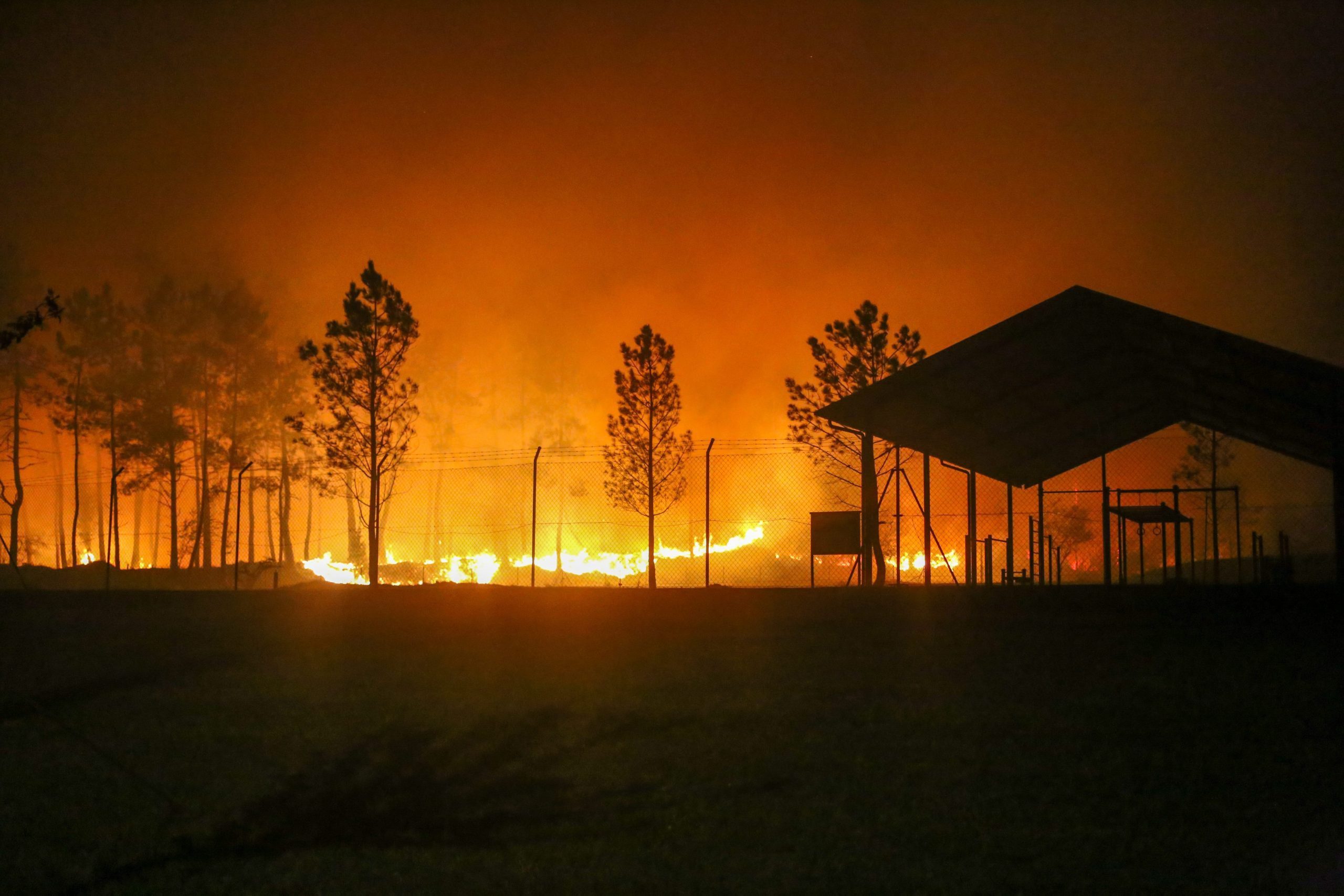
The danger of forest fires could increase by up to 30% in the Mediterranean basin, with longer and more intense fire seasons.
The reported looked at 14 key areas, from health and water to energy, tourism, and social cohesion.
It will form the basis for Spain’s 2026-2030 National Plan for Adaptation to Climate Change.
Click here to read more Green News from The Olive Press.